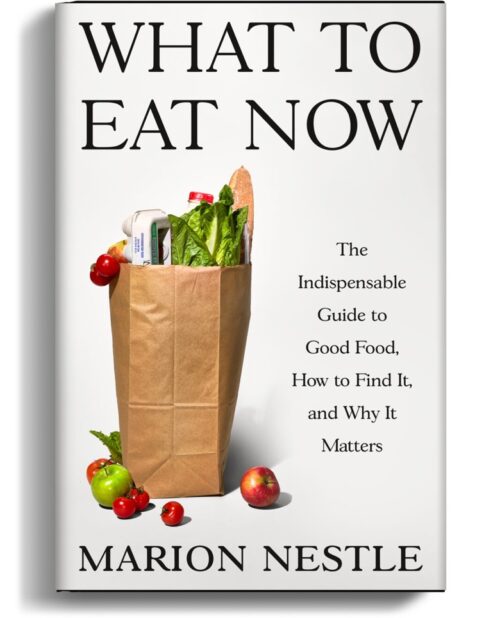
Information about the Aspen Ideas Festival is here. I am scheduled for a session, The American Wellness Paradox, currently scheduled from 11:00-11:50 a.m., at the East Lawn Tent. This will be a discussion with senior HHS policy advisor, Calley Means. Here’s the blurb on it: “Americans are spending more than ever on healthcare, supplements, wellness trends, and “clean eating,” yet rates of chronic disease and metabolic illness continue to climb. As skepticism fuels the rise of movements like MAHA, debates over what Americans should eat have become deeply cultural, political, and economic. Two influential voices with sharply different perspectives on nutrition and food science explore how food systems, farming practices, consumer culture, and the wellness industry collided to create one of the defining public health debates of our time.”
Weekend Reading: Food Economics (also a gift!)
This brand new book—all 498 pages of it—is open access.
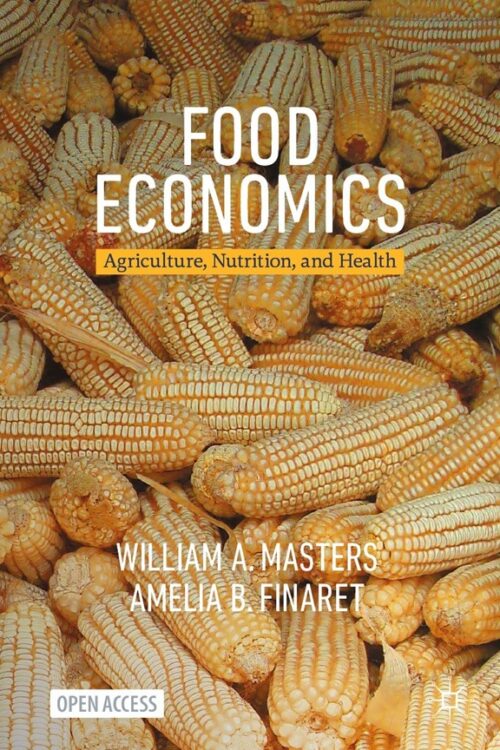
As the publisher explains,
- This book is open access, which means that you have free and unlimited access
- Analyzes the connections between agriculture and resource use, commodity trade, food businesses, and retail markets
- Provides diagrams and data visualizations to explain, predict, and assess changes in the food system
- Features rich visualizations and primary source information for updated charts from US and international sources
The authors have gone to a lot of trouble to make basic economic concepts clear. For example,
We use the term monopoly to describe a market with just one seller and the less common term monopsony when there is just one buyer. The two are symmetrical, so both kinds of market power are sometimes called monopoly power. But distinguishing between monopoly and monopsony is useful because food businesses can potentially exercise both at the same time. For example, a large dairy processor and distributor might become a monopsonist in buying raw milk from farmers and a monopolist in selling dairy products to consumers. Their potential market power is ‘two-sided’, similar to online platforms for food delivery that could potentially become the only intermediary between restaurants and customers.
They also have lots of ifnteresting points to make.
The persistence of family farming is among the most surprising facts about the economics of food. In the U.S. and elsewhere most farms do not sell directly to consumers but operate behind the scenes, selling their produce in bulk to specialists for transport and distribution, often for use as ingredients in packaged and processed foods. Unlike farms, the food companies with whom consumers usually interact are typically owned by investors and run by hired managers. They buy ingredients from various sources, often combining produce from many different farms. Consumers everywhere in the world often seek out opportunities to buy directly from individual farmers, but that is special in part because it is relatively rare.
Take advantage of this offer!