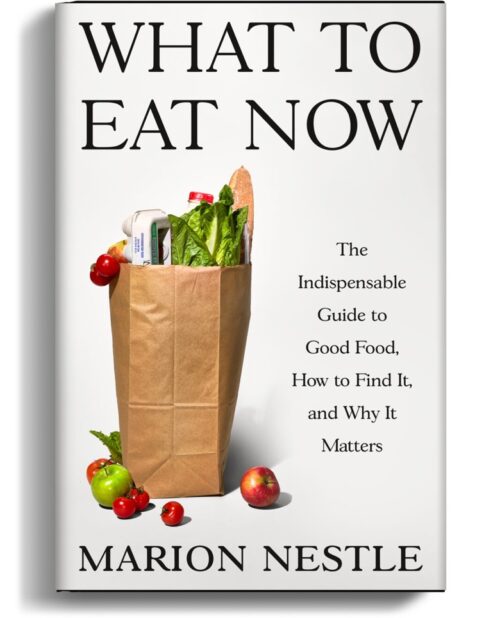
The official launch will be at NYU’s Library, most likely at 4:00 p.m. Co-author Lisa Sutherland will be present. Details and registration to follow.


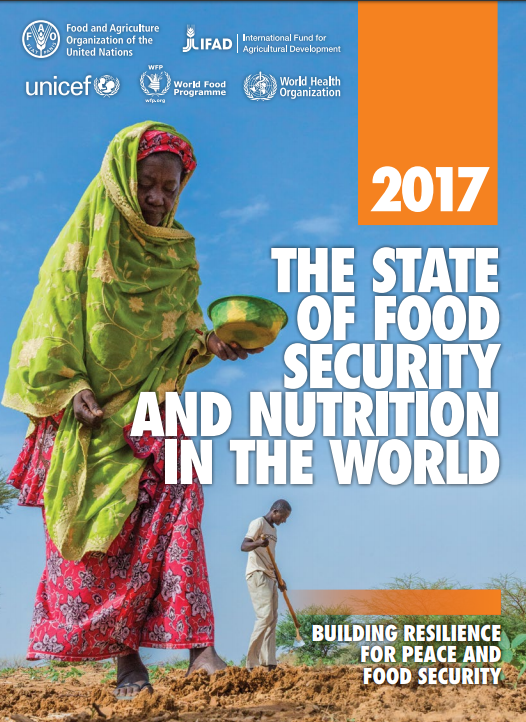
The UN’s Food and Agriculture Organization has just released its annual report on food security, country-by-country.
After years of decline, the new uptick is alarming.
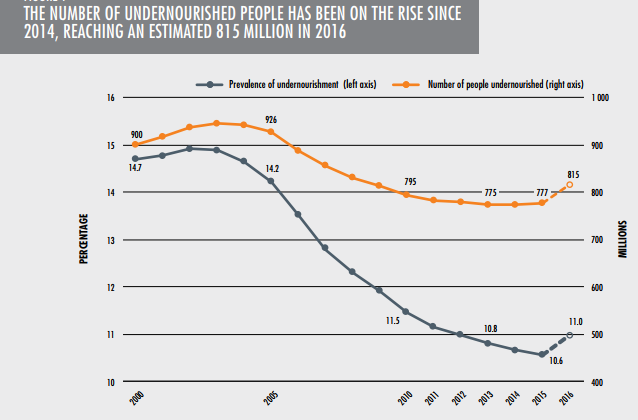
Why is this happening? In a word, conflict.
- The number of conflicts is also on the rise. Exacerbated by climate-related shocks, conflicts seriously affect food security and are a cause of much of the recent increase in food insecurity.
- Conflict is a key driver of situations of severe food crisis and recently re-emerged famines, while hunger and undernutrition are significantly worse where conflicts are prolonged and institutional capacities weak.
- Addressing food insecurity and malnutrition in conflict-affected situations cannot be “business as usual”. It requires a conflict-sensitive approach that aligns actions for immediate humanitarian assistance, long-term development and sustaining peace.
The official launch will be at NYU’s Library, most likely at 4:00 p.m. Co-author Lisa Sutherland will be present. Details and registration to follow.