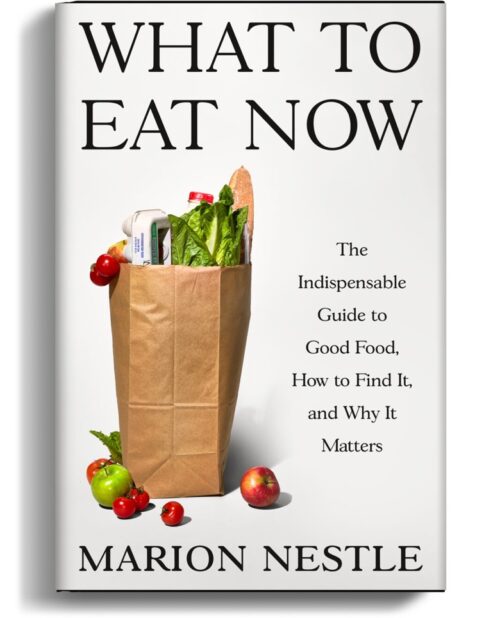
Information about the Aspen Ideas Festival is here. I am scheduled for a session, The American Wellness Paradox, currently scheduled from 11:00-11:50 a.m., at the East Lawn Tent. This will be a discussion with senior HHS policy advisor, Calley Means. Here’s the blurb on it: “Americans are spending more than ever on healthcare, supplements, wellness trends, and “clean eating,” yet rates of chronic disease and metabolic illness continue to climb. As skepticism fuels the rise of movements like MAHA, debates over what Americans should eat have become deeply cultural, political, and economic. Two influential voices with sharply different perspectives on nutrition and food science explore how food systems, farming practices, consumer culture, and the wellness industry collided to create one of the defining public health debates of our time.”

How Washington gives marketing to kids a free pass
The saddest thing I’ve read in ages is the FTC’s rebuttal to industry charges that it is trying to regulate food marketing to kids. Not so, says FTC Bureau of Consumer Protection head David Vladeck:
The preliminary voluntary principles proposed in April by the Interagency Working Group on Food Marketed to Children have got people talking about kids, advertising, and nutrition…Here’s my take on some of the myths that have been percolating about the proposed principles.
MYTH #1: The FTC plans to sue companies that don’t adopt the Working Group’s proposed nutrition principles.
Not so. The Working Group’s job is to submit a report to Congress. That’s all. That’s what Congress told the group to do. A report to Congress by an interagency working group provides no basis for law enforcement action by the FTC or by any of the other agencies participating in the Group.
MYTH #2: The Working Group’s proposal is regulation by the back door.
Second verse, same as the first. This is a report to Congress, not a rulemaking proceeding, so there’s no proposed government regulation….the FTC couldn’t issue a rule on this subject if it wanted to, which it doesn’t. Simply put, a report like this can’t be a rule — whether it’s delivered to Congress by the front door, the back door, or the kitchen door.
And so it goes through ten more of the same.
Alas, food companies are not going to self-regulate themselves out of marketing to kids because they will lose sales if they do.
That’s why some government regulation would be helpful. Isn’t government supposed to promote public health and rein in industry excesses when necessary?
Additional point: You still have time to submit comments. Send them to the FTC by July 14 through this link. Organizations that wish to sign on to the Food Marketing Workgroup’s letter should email Bethany Hanna Pokress bpokress@cspinet.org by Monday, July 11.