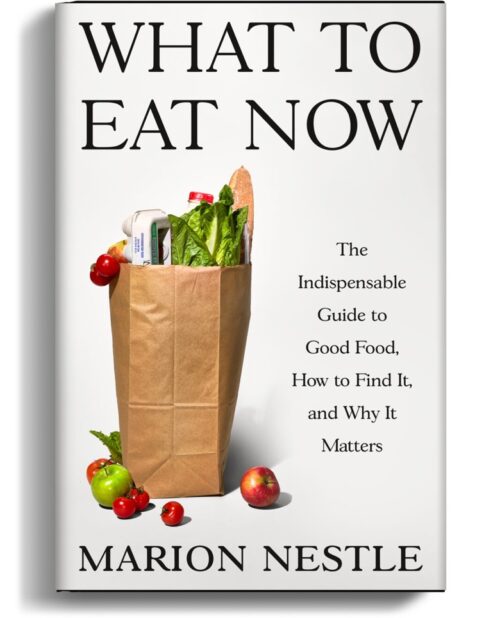
Information about the Aspen Ideas Festival is here. I am scheduled for a session, The American Wellness Paradox, currently scheduled from 11:00-11:50 a.m., at the East Lawn Tent. This will be a discussion with senior HHS policy advisor, Calley Means. Here’s the blurb on it: “Americans are spending more than ever on healthcare, supplements, wellness trends, and “clean eating,” yet rates of chronic disease and metabolic illness continue to climb. As skepticism fuels the rise of movements like MAHA, debates over what Americans should eat have become deeply cultural, political, and economic. Two influential voices with sharply different perspectives on nutrition and food science explore how food systems, farming practices, consumer culture, and the wellness industry collided to create one of the defining public health debates of our time.”
Robert K. Ross: Speaking truth to power
The Future of Food conference in Washington last week is now pretty much online (although I’m still having trouble with some of the links). Much of it is well worth a listen, certainly Prince Charles’ thoughtful speech on sustainability, but also the one that I thought the most powerful—comments by Robert K. Ross, head of the California Endowment.
In the first 8 minutes of his talk, Dr. Ross explained that he comes to the issues discussed at the conference from the angle of public health and obesity, yet climate change, soil quality, hunger, and economic development are all wrapped up in the obesity issue. Here is my paraphrase of what he said (with my emphasis):
If you care about these issues, you have to decide whether you are a group, network, or a movement.
Nothing short of a powerful movement will reverse the trends that are in front of us.
The tobacco battle is the proudest victory of public health, although not yet fully accomplished.
The scientific community first understood that tobacco was bad for health in 1921. Hundreds of studies followed. Yet it was not until 1965 that the Surgeon General first got permission for a warning label on cigarettes. Only in the 1990s did we have policy and practice changes that included environmental incentives to drop the tobacco habit.
In other words, we have had a 100-year war on tobacco.
A side-by-side comparison of food and tobacco indicates that food, health, and sustainability are far more complex issues than tobacco. We do not have 100 years to deal with these problems.
The tobacco wars were not about lack of scientific data. They were and are a power issue.
The only way to confront power is to build a movement that wields power.
Science-based, evidence-driven policy wonks and researchers want more science. But if you think you are in a policy debate and the other side thinks it is in a fight, you are not going to come out too well.
We need to bring as much rigor to the fight as we do to the science.
Food advocates: take careful note.